Labor Shortage in Ukraine: Which Specialists Remain Scarce Despite High Salaries
The Ukrainian labor market continues to face an acute shortage of technical and blue-collar workers, where high salary offers do not always guarantee closed vacancies.
 💼Economy
Photo: RBC-Ukraine
Key points
- Persistent shortage of technical and blue-collar workers in Ukraine
- Body repair specialists offered median salaries above 61,000 hryvnias
- Candidate activity for manufacturing roles decreased over the year
The Ukrainian labor market demonstrates a persistent mismatch between employer demand and the availability of qualified personnel. Despite companies offering salaries exceeding 60,000 hryvnias for certain positions, the number of candidate applications remains minimal. This issue is most acute in the manufacturing sector, automotive services, medicine, and sales, where a single open vacancy may receive fewer than one response on average.
Key Deficit Specialties and Salary Trends
According to research by analysts at the OLX Work platform, the list of the most scarce professions includes various specialized experts. In particular, there is a severe shortage of sales department managers, dentists, manufacturing process engineers, and auto electricians. For instance, body repair specialists are offered median salaries of around 61,500 hryvnias, yet finding candidates for such positions remains challenging.
Alongside locksmiths and painters, the shortage also affects other vital sectors such as pharmacy and food production. Bakers, pharmacists, manicurists, and hairdressers are also among the professionals in high demand. Experts note that the problem is not solely related to the compensation level, but rather to a broader lack of qualified specialists available on the market.
Labor market analysts emphasize that the deficit dynamics vary significantly across industries. While candidate activity for certain roles like pharmacists or bakers increased over the past year, interest in technical professions such as production technologists notably declined. Employers are forced to review working conditions and seek new strategies to attract and retain staff amid an ongoing talent crunch.
For local communities, nationwide labor shortages mean increased competition for skilled workers and potential wage growth in blue-collar sectors. Local businesses and municipal utilities may struggle with recruitment as talent gravitates toward larger cities or alternative options. This trend encourages companies to improve working conditions while potentially impacting service costs for residents.
Source RBC-Ukraine — rbc.ua/ukr/news/zarplati-ponad-60-tisyach-griven-ale-kadriv-1795371… ↗
Read next
 🏛️Politics
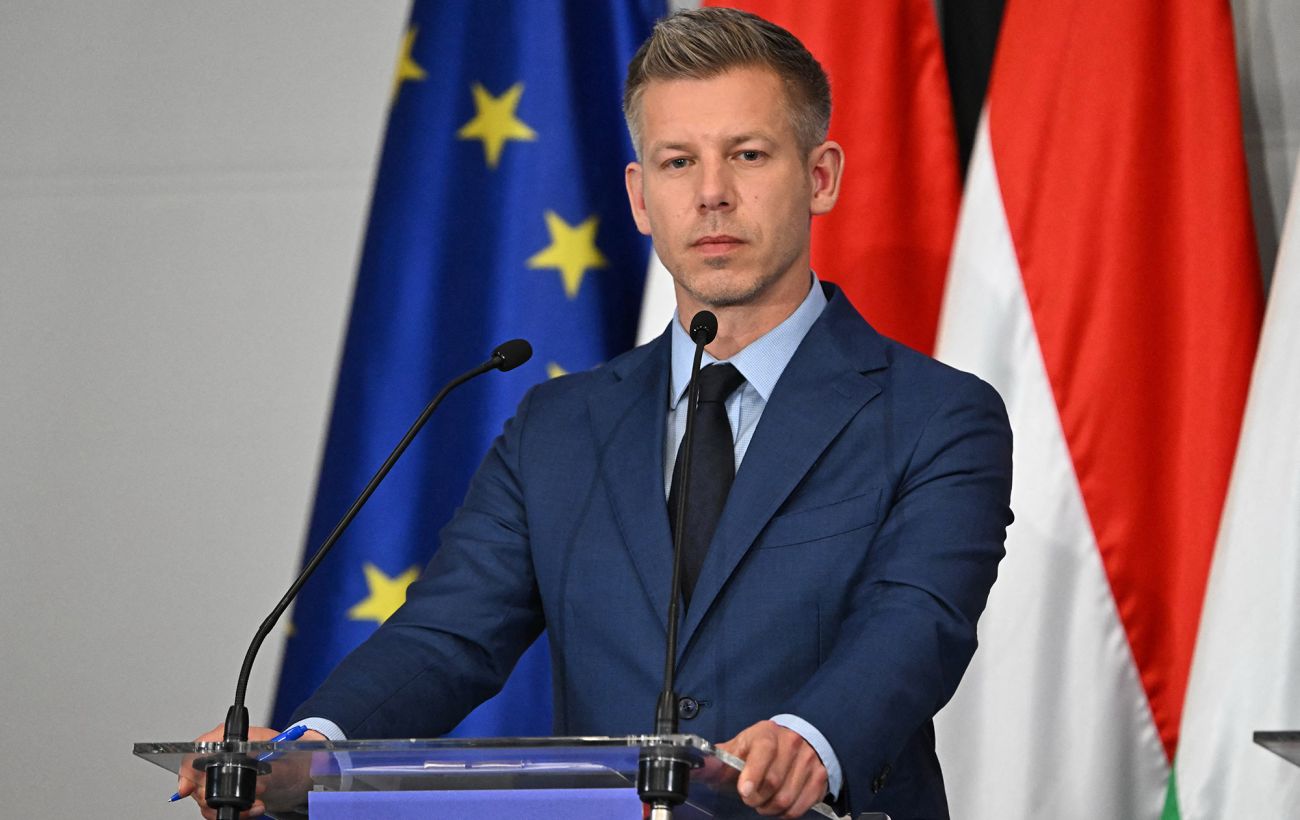
Hungarian Prime Minister Péter Magyar Calls Russia an Aggressor and Announces Transcarpathia Visit
Hungarian Prime Minister Péter Magyar publicly designated Russia as an aggressor in the war against Ukraine and announced plans to visit the Transcarpathia region.
 🇺🇦Ukraine
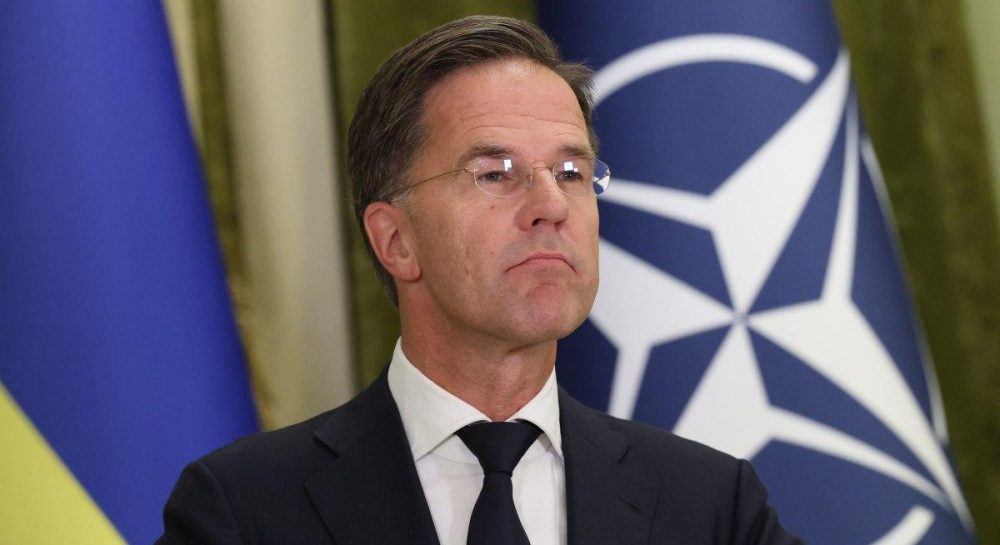
Mark Rutte: No consensus yet on Ukraine's NATO membership
NATO Secretary General Mark Rutte stated that there is currently no unanimity among Alliance member states regarding Ukraine's accession.
 ⚽Sport
ATP Finals Review: Alcaraz Dominance and Rising Stars
The conclusion of the ATP Finals highlights Carlos Alcaraz's undisputed leadership in men's tennis and the promise of new talents.
 🛡️Security
New Vulnerabilities in Russian Logistics: Incidents in Libya and the Baltic Region
A series of incidents involving Russian vessels in Benghazi and the Gulf of Finland highlights the growing fragility of Moscow's naval supply lines abroad.
 🛡️Security
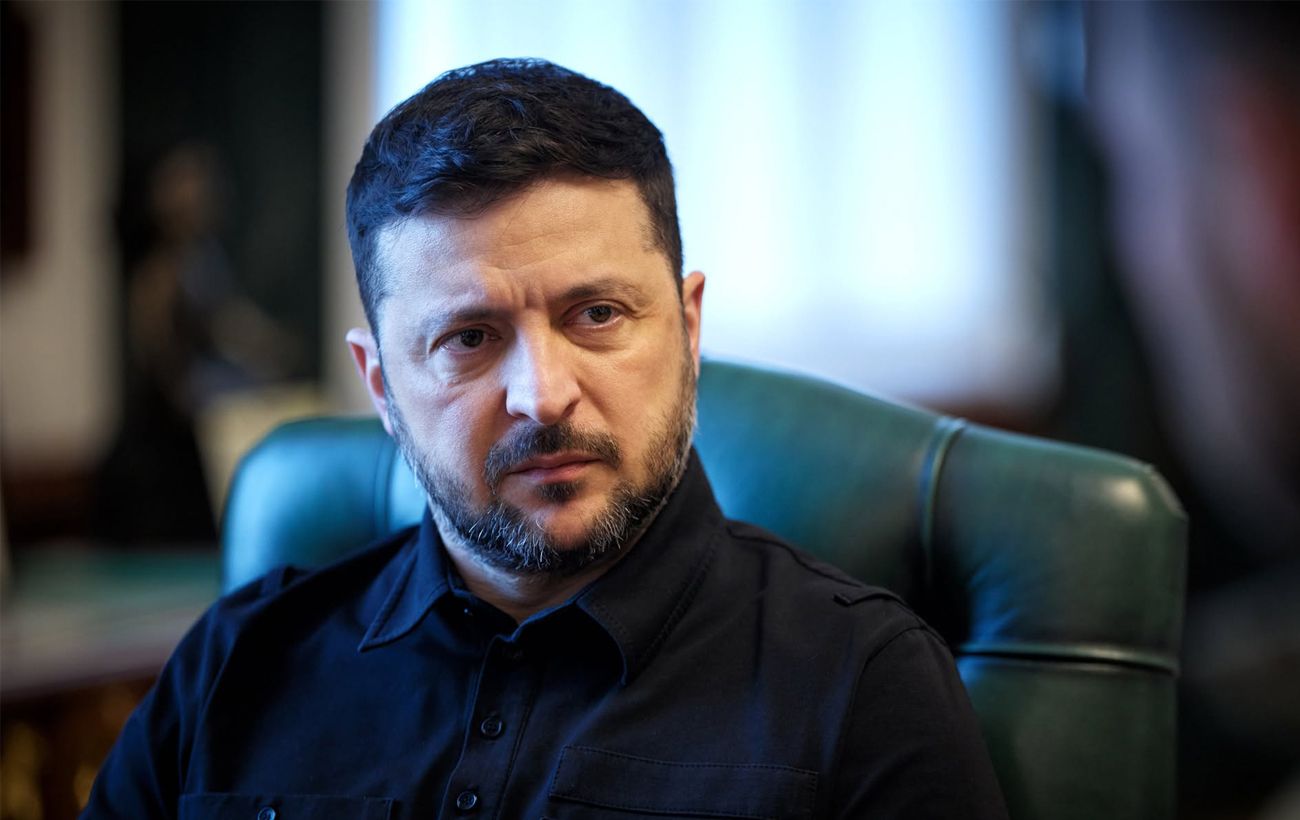
Zelenskyy says HUR reported on updated Russian strike plans and sets tasks for military
President Volodymyr Zelenskyy announced that Ukraine's military intelligence (HUR) has reported on updated Russian strike plans, and corresponding tasks have been assigne…
 🛡️Security
Harry Potter star Tom Felton invites released Ukrainian marine to London
British actor Tom Felton recorded a video message to Marine Major Oleksandr Ivanov, who retold Harry Potter books to his fellow soldiers during four years of captivity.