Students and Mobilization: How to Properly Secure Deferment and Avoid Risks
The Ministry of Education highlights the rules for student draft deferments for men aged 25 and older, emphasizing the importance of digital registries and the Reserve+ app.
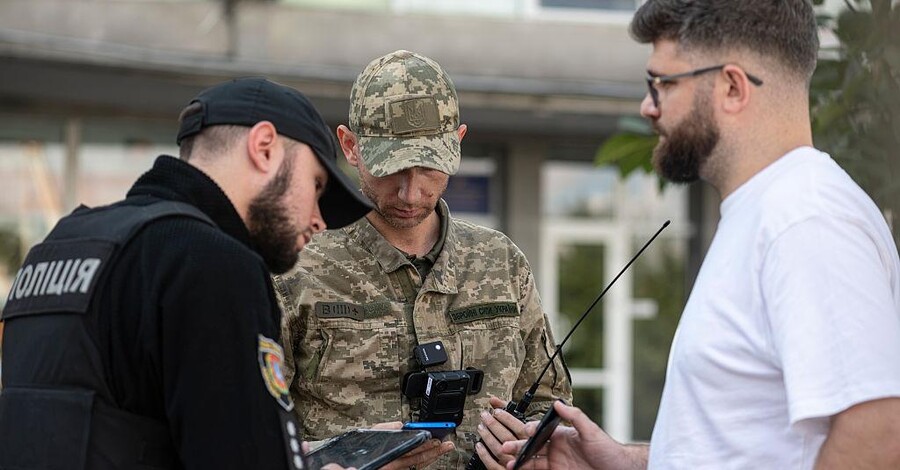 🎓Education
Photo: AutoGN education · Освіта новини
Key points
- Student deferment for 25+ relies entirely on EDEBO and Reserve+ records.
- Educational authorities are actively monitoring curriculum compliance and attendance.
- System glitches require immediate verification and reporting via TSNAP.
Understanding Student Deferment Rules and Digital Verification
During the ongoing martial law, continuing higher or professional education for men of mobilization age remains a critical topic. The State Service of Education Quality has launched inspections to identify fictitious studies among older students. This issue is equally relevant for residents of Netishyn who combine work and studies, as legislation requires strict adherence to full-time or dual-form educational curriculums.
Traditional paper documents no longer hold legal weight for territorial recruitment centers. Neither a student ID nor a university certificate can prevent a mobilization notice if the data is missing from state electronic registries. Deferment rights are now strictly verified through the Unified State Electronic Database on Education (EDEBO), which automatically syncs with the Reserve+ application to display the official status.
Technical Glitches and Grounds for Losing Deferment Rights
The automated system for updating student statuses every six months can occasionally malfunction. Students residing in the community are advised to independently check their status within the EDEBO system. If the update fails, individuals must contact their educational administration, obtain a certified extract, and submit an application for deferment extension through the local Administrative Services Center (TSNAP).
- Part-time or correspondence learning formats do not qualify for student deferment.
- Academic leaves terminate the deferment status within seven days of the official order.
- Violating educational consistency, such as pursuing a second degree at the same level, revokes the benefit.
Proper electronic documentation and timely updates in state registries remain the primary safeguards for students during mobilization.
Legal experts emphasize that transferring between universities requires precise administrative procedures. Choosing voluntary withdrawal instead of an official transfer can result in the loss of student status, and reinstatement for men aged 25+ during martial law is currently restricted. Community members are urged to monitor their academic standing closely and resolve bureaucratic procedures promptly.
Read next
 🇺🇦Ukraine
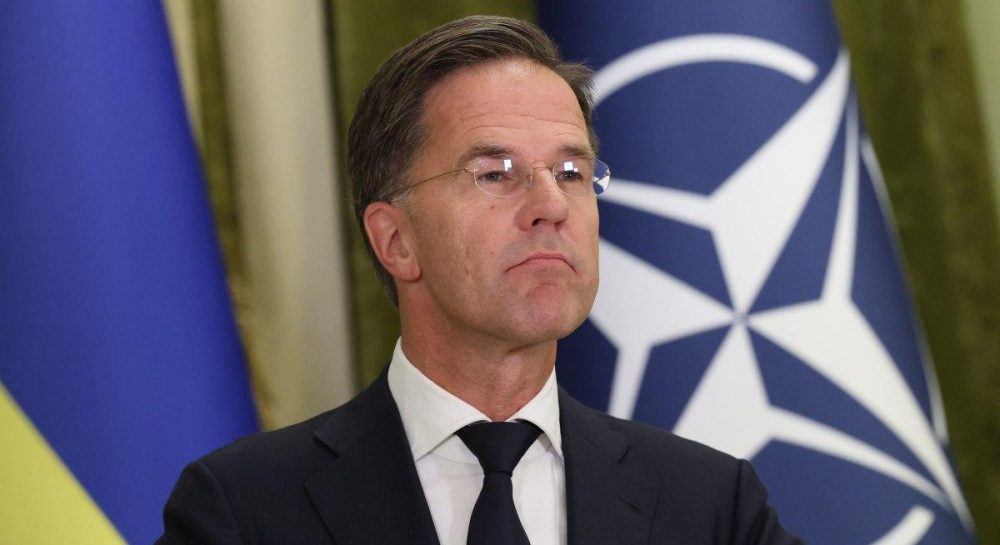
Mark Rutte: No consensus yet on Ukraine's NATO membership
NATO Secretary General Mark Rutte stated that there is currently no unanimity among Alliance member states regarding Ukraine's accession.
 ⚽Sport
ATP Finals Review: Alcaraz Dominance and Rising Stars
The conclusion of the ATP Finals highlights Carlos Alcaraz's undisputed leadership in men's tennis and the promise of new talents.
 🛡️Security
New Vulnerabilities in Russian Logistics: Incidents in Libya and the Baltic Region
A series of incidents involving Russian vessels in Benghazi and the Gulf of Finland highlights the growing fragility of Moscow's naval supply lines abroad.
 🛡️Security
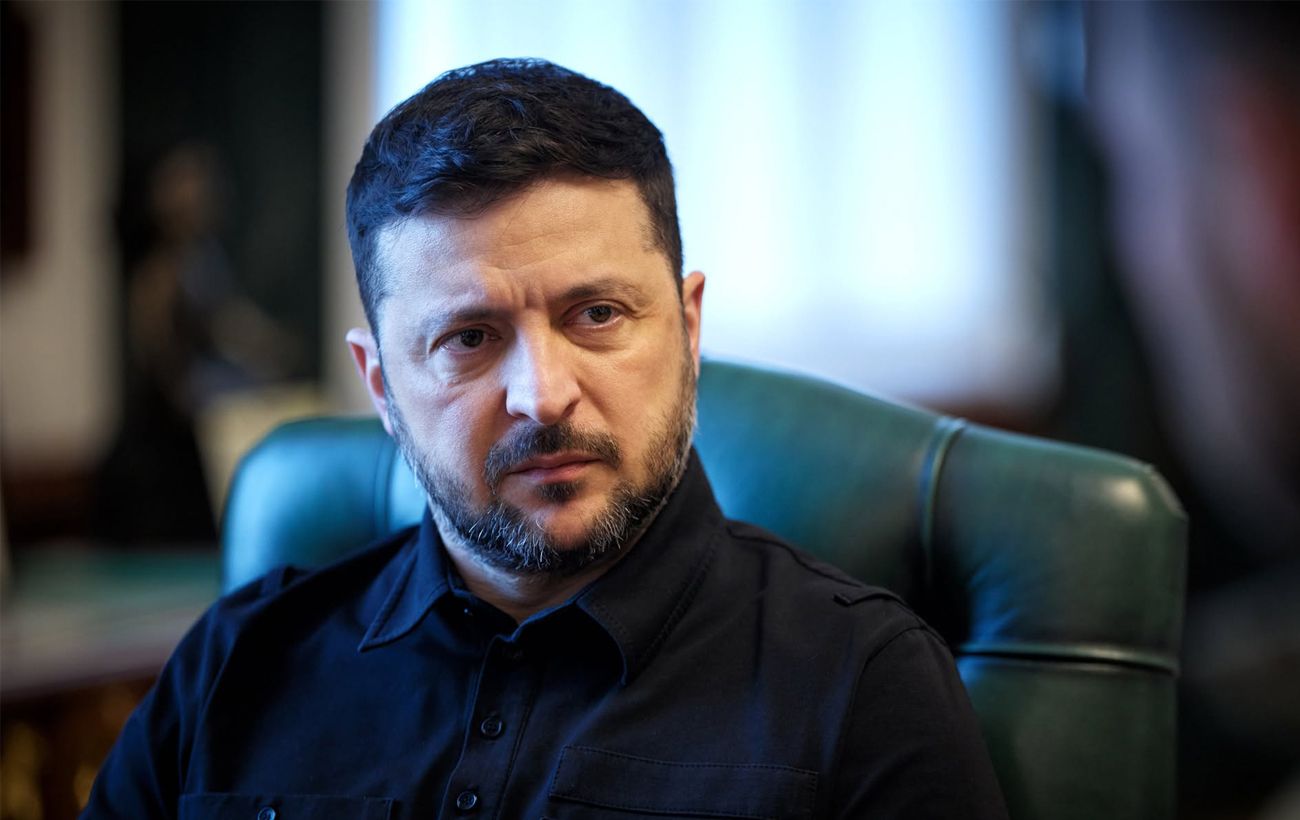
Zelenskyy says HUR reported on updated Russian strike plans and sets tasks for military
President Volodymyr Zelenskyy announced that Ukraine's military intelligence (HUR) has reported on updated Russian strike plans, and corresponding tasks have been assigne…
 💼Economy
Optimizing Family Budgets: How Banking Tools Help Save on Daily Expenses
Raiffeisen Bank has introduced debit card features designed to reduce daily financial costs through cashback and partner programs.
 🛡️Security
Harry Potter star Tom Felton invites released Ukrainian marine to London
British actor Tom Felton recorded a video message to Marine Major Oleksandr Ivanov, who retold Harry Potter books to his fellow soldiers during four years of captivity.