Microplastics in water: new study reveals hidden chemical threat
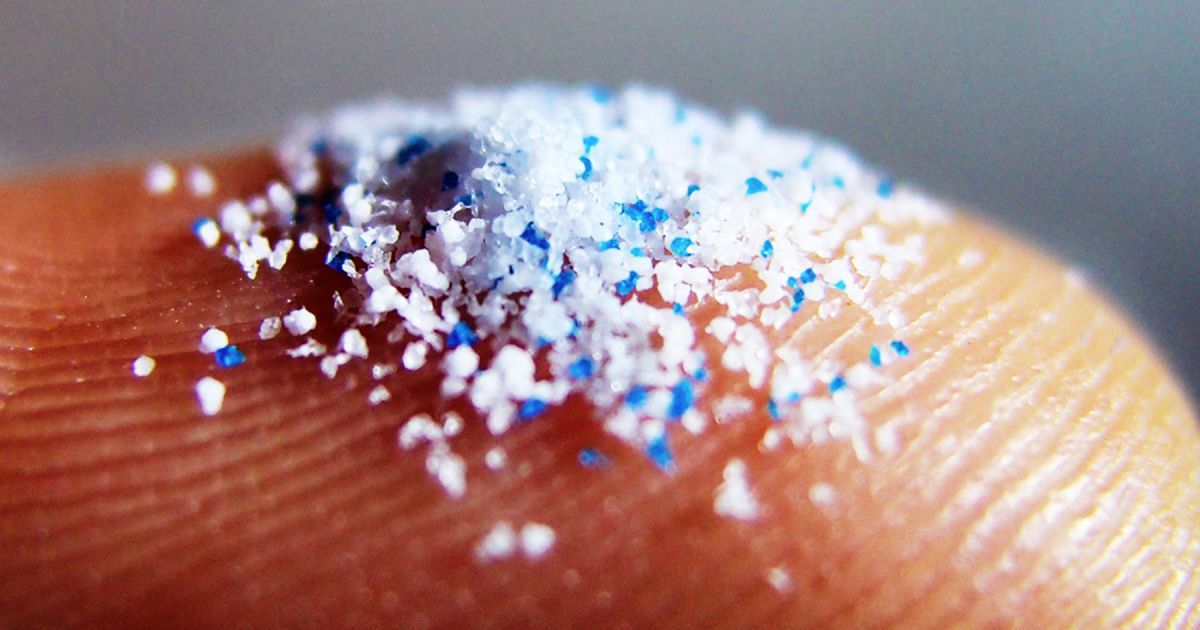
Scientists have discovered that microplastics in water can trigger chemical reactions that potentially damage living cells.
 🩺Health
Photo: TSN
Key points
- Microplastics trigger the formation of reactive oxygen species in water
- Polyethylene and polypropylene proved to be the most chemically active
- Heating plastic in a microwave promotes the release of hazardous particles
Researchers from Columbia University and the University of California, Berkeley, have found that microplastics are not passive pollutants. When in contact with ordinary water, reactive oxygen species form on the surface of plastic particles, capable of damaging proteins and DNA.
Chemical activity of plastic
During experiments, scientists analyzed six common types of plastic, including polyethylene and polypropylene. It turned out that these materials create conditions for the emergence of hydroxyl radicals. The process of plastic objects breaking down into smaller fragments is particularly dangerous, as it increases the surface area where chemical reactions occur.
Laboratory tests on mouse red blood cells confirmed that this activity can lead to the destruction of cell membranes. It is worth remembering that sources of microplastics in everyday life include not only bottles but also synthetic clothing, microwave-safe containers, and even the internal lining of paper cups for hot drinks.
Source TSN — tsn.ua/zdorovya/mikroplastyk-vyiavyvsia-nebezpechnishym-niz-vvazaly-shc… ↗
Read next
 🇺🇦Ukraine
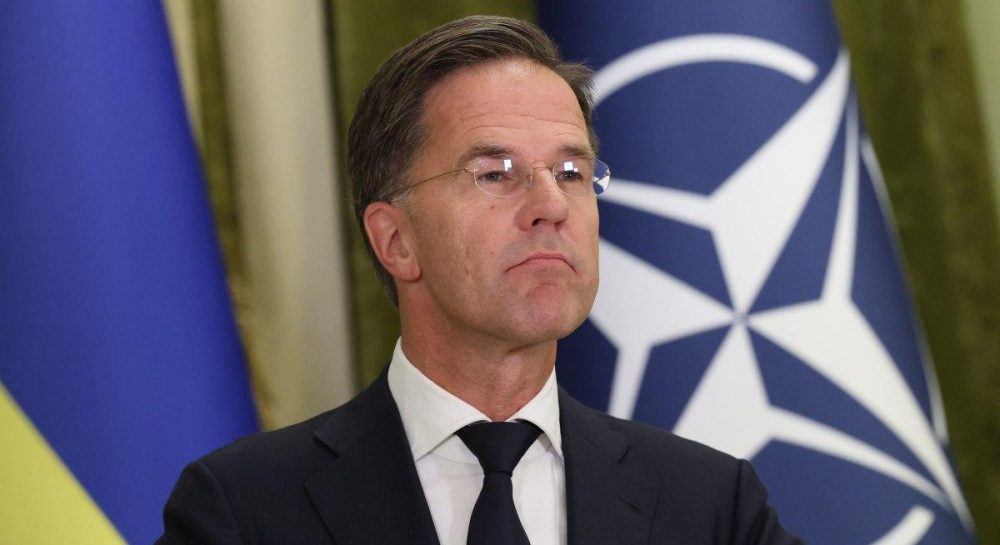
Mark Rutte: No consensus yet on Ukraine's NATO membership
NATO Secretary General Mark Rutte stated that there is currently no unanimity among Alliance member states regarding Ukraine's accession.
 ⚽Sport
ATP Finals Review: Alcaraz Dominance and Rising Stars
The conclusion of the ATP Finals highlights Carlos Alcaraz's undisputed leadership in men's tennis and the promise of new talents.
 🛡️Security
New Vulnerabilities in Russian Logistics: Incidents in Libya and the Baltic Region
A series of incidents involving Russian vessels in Benghazi and the Gulf of Finland highlights the growing fragility of Moscow's naval supply lines abroad.
 🛡️Security
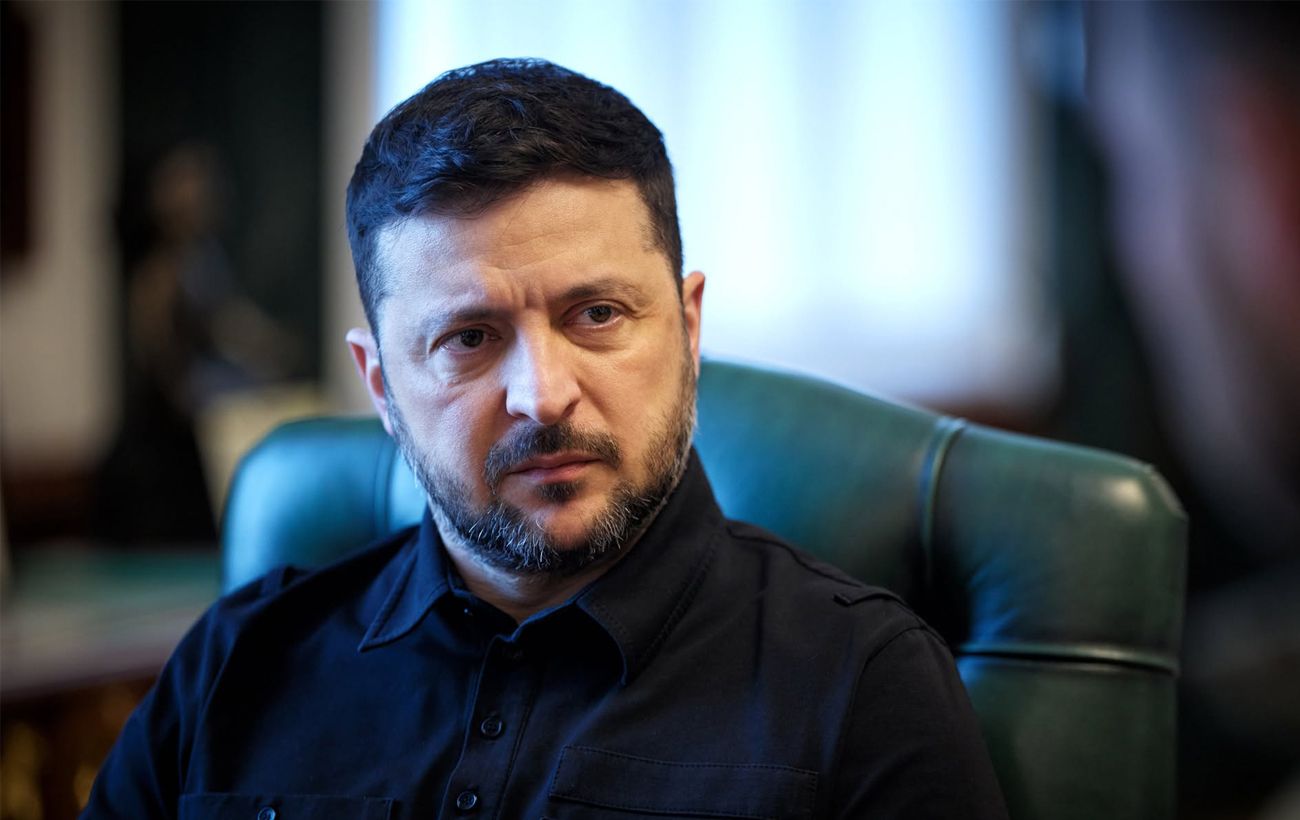
Zelenskyy says HUR reported on updated Russian strike plans and sets tasks for military
President Volodymyr Zelenskyy announced that Ukraine's military intelligence (HUR) has reported on updated Russian strike plans, and corresponding tasks have been assigne…
 💼Economy
Optimizing Family Budgets: How Banking Tools Help Save on Daily Expenses
Raiffeisen Bank has introduced debit card features designed to reduce daily financial costs through cashback and partner programs.
 🛡️Security
Harry Potter star Tom Felton invites released Ukrainian marine to London
British actor Tom Felton recorded a video message to Marine Major Oleksandr Ivanov, who retold Harry Potter books to his fellow soldiers during four years of captivity.