The Philosophy of Repair: How the Invisible Work of Utility Workers Sustains Ukrainian Communities
During periods of crisis and hardship, daily routine infrastructure maintenance, often unnoticed by society, becomes a critical element for community survival.
 🩺Health
Photo: Ukrainska Pravda
Key points
- Invisible labor of utility workers as the basis for community survival
- The concept of 'broken world thinking' in modern conditions
- The need to shift from crisis response to preventive maintenance
The modern reality of Ukrainian cities and towns forces a fresh perspective on familiar things, particularly the work of utility services. At a time when the country's energy system faces constant challenges, the labor of specialists restoring light and heat to homes turns into an invisible shield for the community. They work at night, under shelling, and in difficult weather conditions, often remaining out of the sight of ordinary residents.
The Broken World Thinking and Invisible Labor
Researchers compare the current stage of development to the so-called "broken world thinking." Instead of abstract concepts of progress or total destruction, the necessity of constantly fixing what is damaged comes to the forefront. This applies not only to energy or transport but also to social institutions, where systemic changes usually occur only after public disclosure.
For the residents of Netishyn, this issue is also extremely relevant, as the stability of local infrastructure directly depends on the daily efforts of utility workers. Restoring networks after accidents or bad weather requires not only technical skills but also considerable adaptability and improvisation under limited resources.
Balancing the Past and the Future
The issue of restoration today goes beyond simply repairing damaged items. Society is constantly seeking a balance between returning to familiar pre-war standards and the need to adapt to new ecological and social realities. Examples of large-scale changes in the country's ecosystems show that the future often brings not what was drawn on blueprints, but what one has to adapt to in practice.
Ultimately, creating a strong and crisis-resilient community requires shifting from reacting to already materialized emergencies to preventive maintenance. It is this seemingly tedious daily work that builds genuine trust and security for every resident.
Source Ukrainska Pravda — pravda.com.ua/columns/2026/11/22/8063089/ ↗
Read next
 💼Economy
Ukrainian agricultural sector faces bankruptcy risks amid logistics hurdles and financing deficit
Domestic farmers have depleted their financial reserves due to infrastructure attacks, export bottlenecks, and tightening credit conditions.
 🏛️Politics
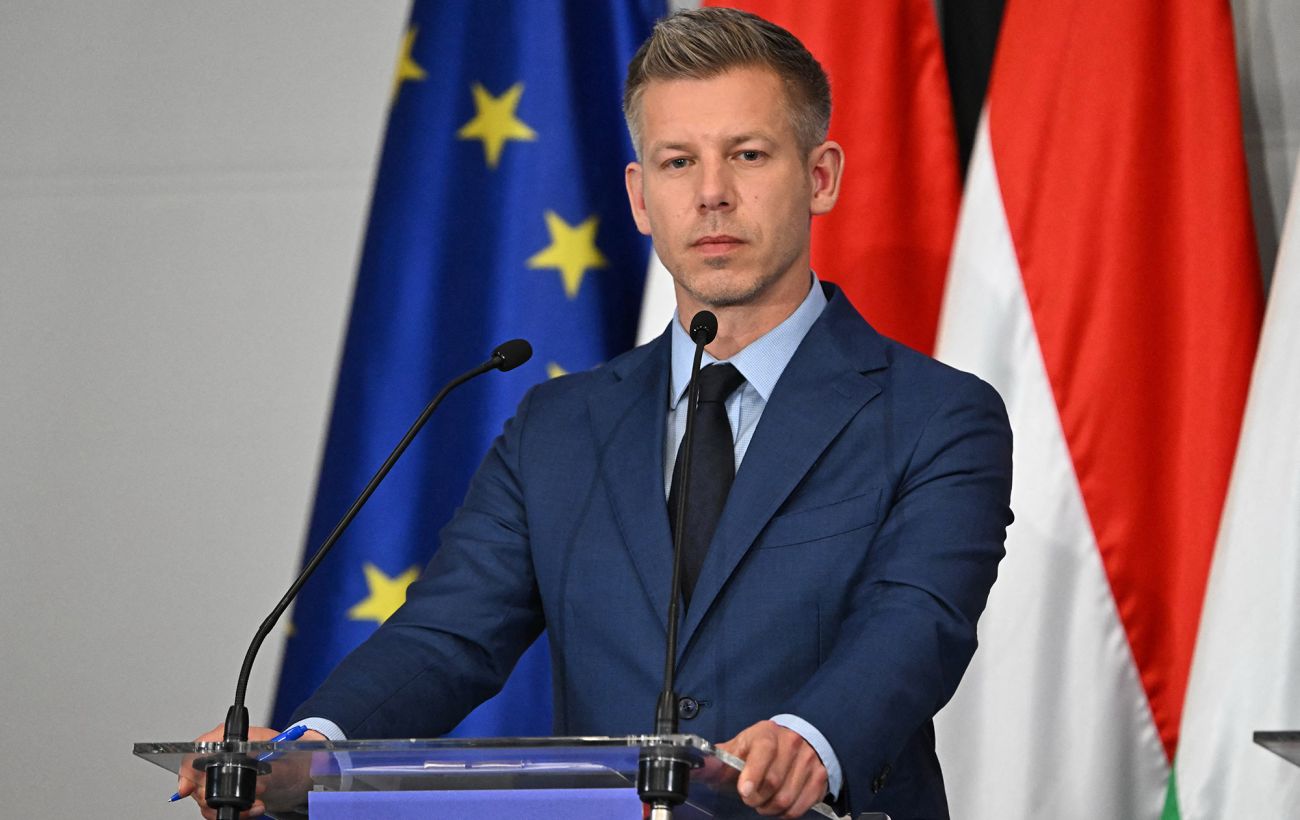
Hungarian Prime Minister Péter Magyar Calls Russia an Aggressor and Announces Transcarpathia Visit
Hungarian Prime Minister Péter Magyar publicly designated Russia as an aggressor in the war against Ukraine and announced plans to visit the Transcarpathia region.
 🇺🇦Ukraine
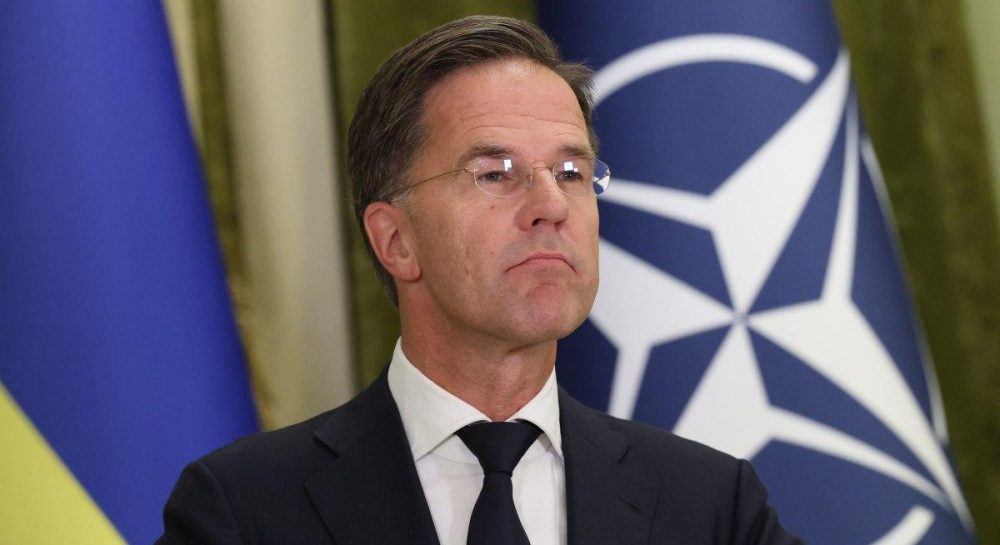
Mark Rutte: No consensus yet on Ukraine's NATO membership
NATO Secretary General Mark Rutte stated that there is currently no unanimity among Alliance member states regarding Ukraine's accession.
 ⚽Sport
ATP Finals Review: Alcaraz Dominance and Rising Stars
The conclusion of the ATP Finals highlights Carlos Alcaraz's undisputed leadership in men's tennis and the promise of new talents.
 🛡️Security
New Vulnerabilities in Russian Logistics: Incidents in Libya and the Baltic Region
A series of incidents involving Russian vessels in Benghazi and the Gulf of Finland highlights the growing fragility of Moscow's naval supply lines abroad.
 🛡️Security
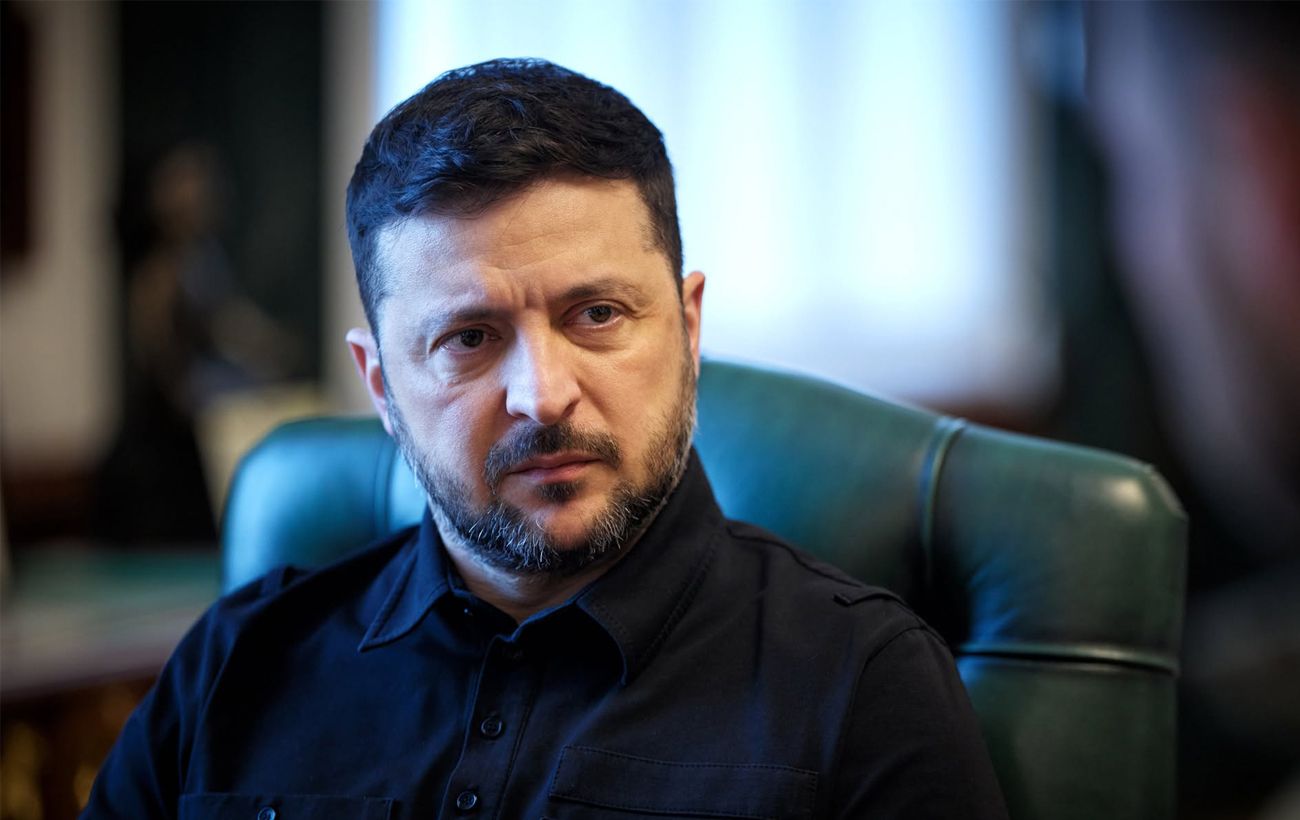
Zelenskyy says HUR reported on updated Russian strike plans and sets tasks for military
President Volodymyr Zelenskyy announced that Ukraine's military intelligence (HUR) has reported on updated Russian strike plans, and corresponding tasks have been assigne…