Information Hygiene During War: The Responsibility of Business and Media
Kernel's Communications Director Olena Plakhova urges media to exercise responsibility when reporting on business operations during wartime.
 👥Society
Photo: RBC-Ukraine
Key points
- Disclosing operational data aids the enemy in targeting infrastructure
- Media must prioritize security over clickbait and traffic
- Negative media narratives undermine international credit trust and economic stability
Ukrainian businesses are operating under extreme conditions, facing constant threats to their production facilities and personnel. Olena Plakhova, Director of Communications and Government Relations at Kernel, argues that the standards of crisis communication used in peacetime are no longer applicable, and that every piece of information must now be evaluated through the lens of national security.
Security Beyond Traffic and Clicks
Media requests for detailed operational data—such as specific stock levels, damage assessments, or investment plans—can inadvertently provide intelligence to the enemy. Such information allows adversaries to assess the effectiveness of their attacks and refine their targeting strategies against critical infrastructure.
Furthermore, the expert warns that alarmist headlines regarding the "total destruction" of companies or "catastrophic losses" negatively impact the country's creditworthiness and international financial standing. In a wartime economy, media outlets must prioritize the principle of "do no harm," balancing the public's right to know with the imperative to protect the physical and economic stability of the nation.
Source RBC-Ukraine — rbc.ua/ukr/news/doroslist-voenniy-ekonomitsi-de-prohodit-1795181816… ↗
Read next
 💼Economy
Ukrainian agricultural sector faces bankruptcy risks amid logistics hurdles and financing deficit
Domestic farmers have depleted their financial reserves due to infrastructure attacks, export bottlenecks, and tightening credit conditions.
 🏛️Politics
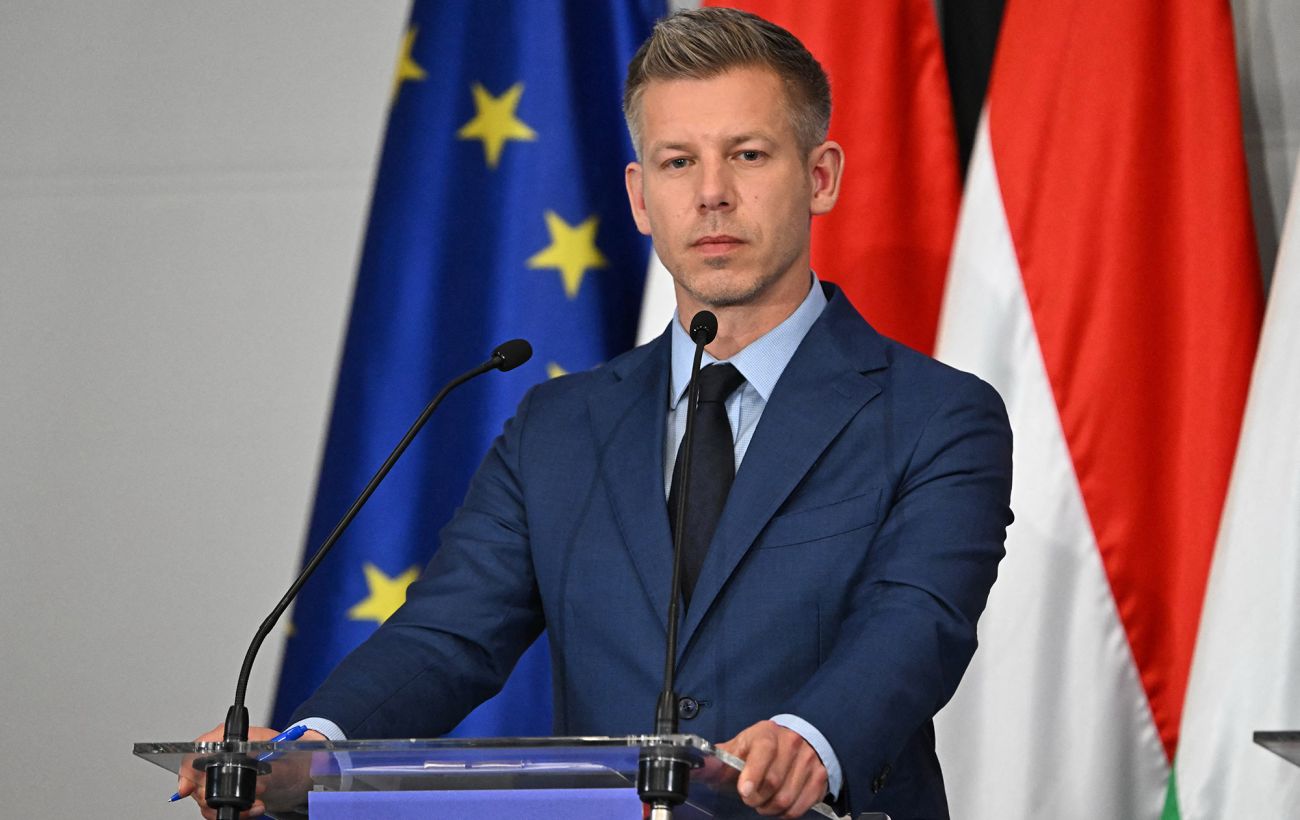
Hungarian Prime Minister Péter Magyar Calls Russia an Aggressor and Announces Transcarpathia Visit
Hungarian Prime Minister Péter Magyar publicly designated Russia as an aggressor in the war against Ukraine and announced plans to visit the Transcarpathia region.
 🇺🇦Ukraine
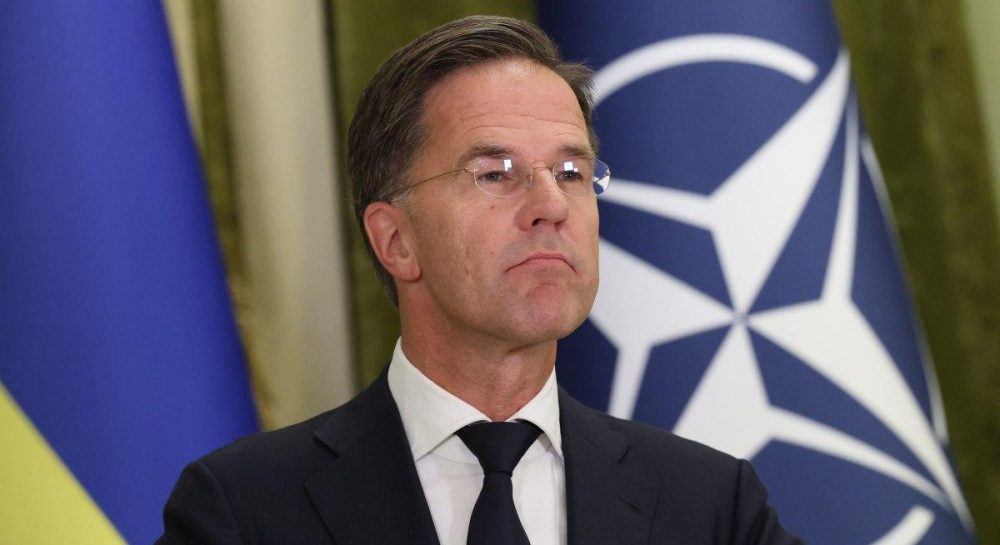
Mark Rutte: No consensus yet on Ukraine's NATO membership
NATO Secretary General Mark Rutte stated that there is currently no unanimity among Alliance member states regarding Ukraine's accession.
 ⚽Sport
ATP Finals Review: Alcaraz Dominance and Rising Stars
The conclusion of the ATP Finals highlights Carlos Alcaraz's undisputed leadership in men's tennis and the promise of new talents.
 🛡️Security
New Vulnerabilities in Russian Logistics: Incidents in Libya and the Baltic Region
A series of incidents involving Russian vessels in Benghazi and the Gulf of Finland highlights the growing fragility of Moscow's naval supply lines abroad.
 🛡️Security
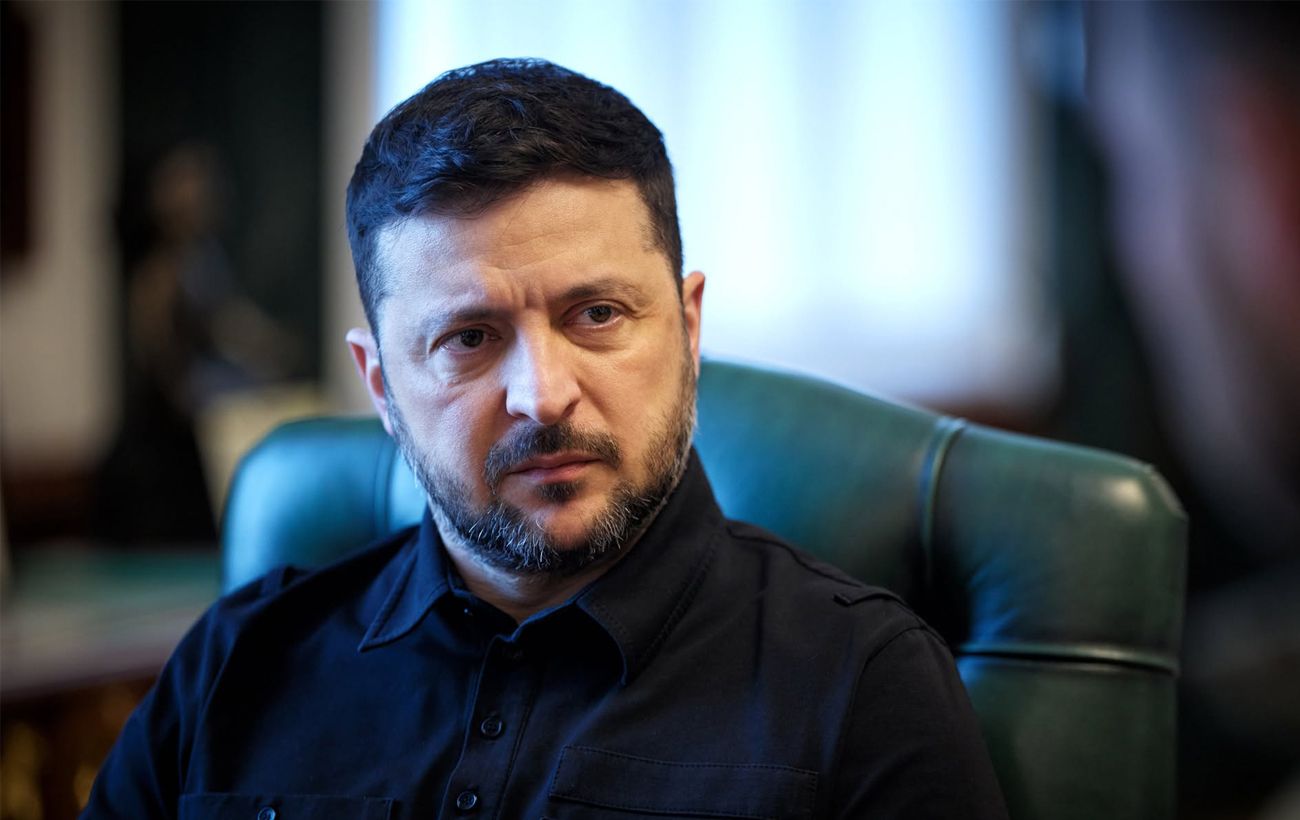
Zelenskyy says HUR reported on updated Russian strike plans and sets tasks for military
President Volodymyr Zelenskyy announced that Ukraine's military intelligence (HUR) has reported on updated Russian strike plans, and corresponding tasks have been assigne…