Shenzhen Summit: Analysis of the Meeting Between US, Chinese, and Russian Leaders
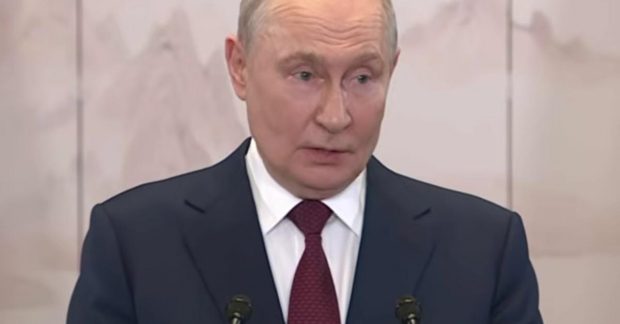
The trilateral summit in Shenzhen failed to produce diplomatic results regarding the war in Ukraine, yet served as a platform for the Kremlin to reassert its global standing.
 🇺🇦Ukraine
Photo: UNIAN
Key points
- No mention of Ukraine in the final summit declaration
- Putin secured recognition as an equal partner in global security talks
- Growing rift between the US and Europe over Ukrainian defensive strikes
A high-profile trilateral summit took place in Shenzhen, involving the leaders of the United States, Russia, and China. Despite the historic nature of the meeting, the final declaration lacked any substantive progress on ending the conflict in Ukraine or addressing European security concerns.
Geopolitical Implications
The discussions focused on UN reforms and nuclear risks, conspicuously omitting any mention of ceasefire negotiations or the situation in Ukraine. Analysts suggest that for Vladimir Putin, the primary objective was to be seen at the table with other major powers, effectively signaling his return to global relevance.
Meanwhile, Donald Trump and Xi Jinping utilized the platform to project their respective influence. The response from European leaders, notably Polish Prime Minister Donald Tusk, highlighted a growing concern regarding the direction of these diplomatic engagements.
Impact on the Conflict
Despite Moscow's narrative of inevitable victory, the reality on the ground remains unchanged. Recent Ukrainian strikes on the Kerch Bridge and Russian oil refineries underscore the limits of Russian military power. The failure of Russia to subdue Ukraine after years of full-scale invasion remains the central obstacle for the Kremlin.
Currently, there is a visible divergence in strategy between Washington and its European allies. While the US administration appears open to concessions, European nations, including the UK and Germany, continue to defend Ukraine's right to strike military targets within Russian territory. This divide complicates the international approach to the ongoing war.
Source UNIAN — unian.ua/world/samit-v-kitaji-udar-po-krimskomu-mostu-zipsuvav-puti… ↗
Read next
 💼Economy
Ukrainian agricultural sector faces bankruptcy risks amid logistics hurdles and financing deficit
Domestic farmers have depleted their financial reserves due to infrastructure attacks, export bottlenecks, and tightening credit conditions.
 🏛️Politics
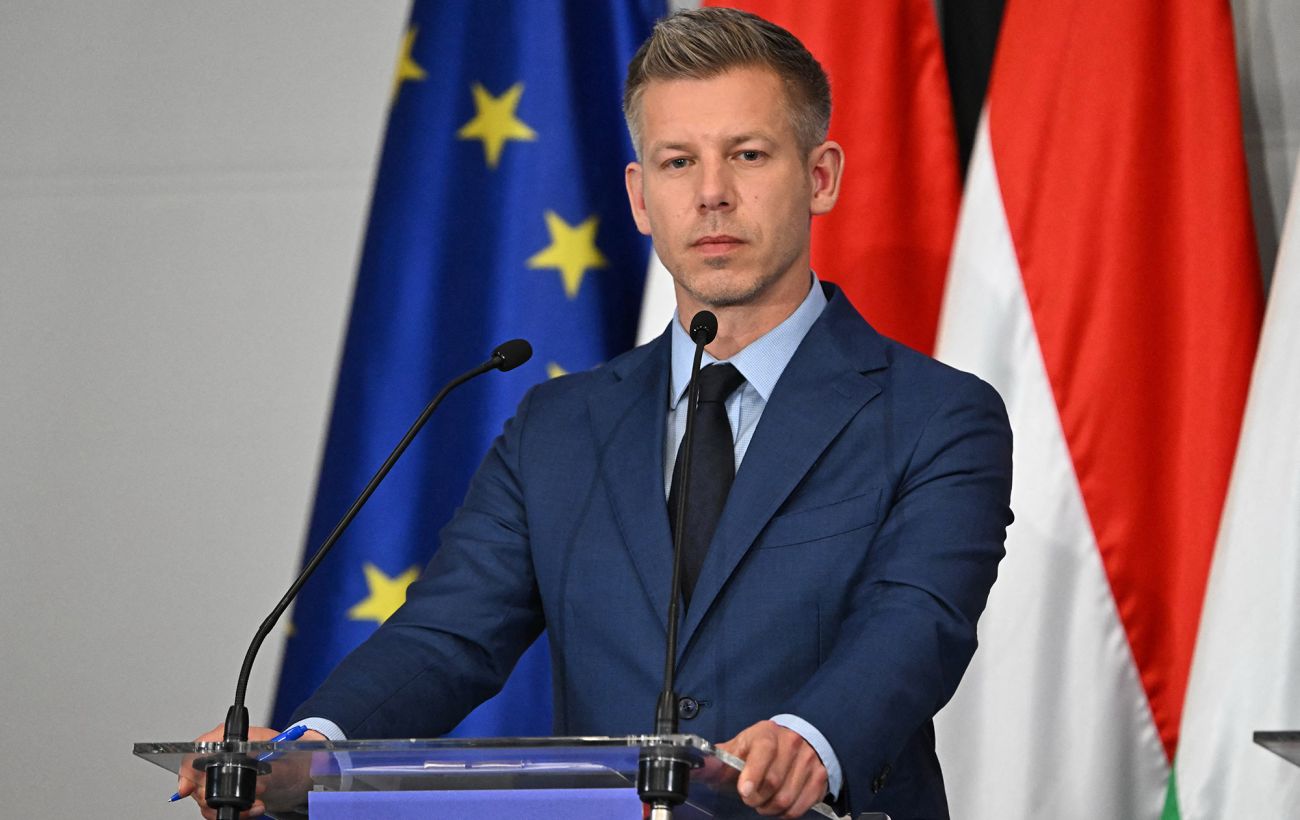
Hungarian Prime Minister Péter Magyar Calls Russia an Aggressor and Announces Transcarpathia Visit
Hungarian Prime Minister Péter Magyar publicly designated Russia as an aggressor in the war against Ukraine and announced plans to visit the Transcarpathia region.
 ⚽Sport
ATP Finals Review: Alcaraz Dominance and Rising Stars
The conclusion of the ATP Finals highlights Carlos Alcaraz's undisputed leadership in men's tennis and the promise of new talents.
 🛡️Security
New Vulnerabilities in Russian Logistics: Incidents in Libya and the Baltic Region
A series of incidents involving Russian vessels in Benghazi and the Gulf of Finland highlights the growing fragility of Moscow's naval supply lines abroad.
 🛡️Security
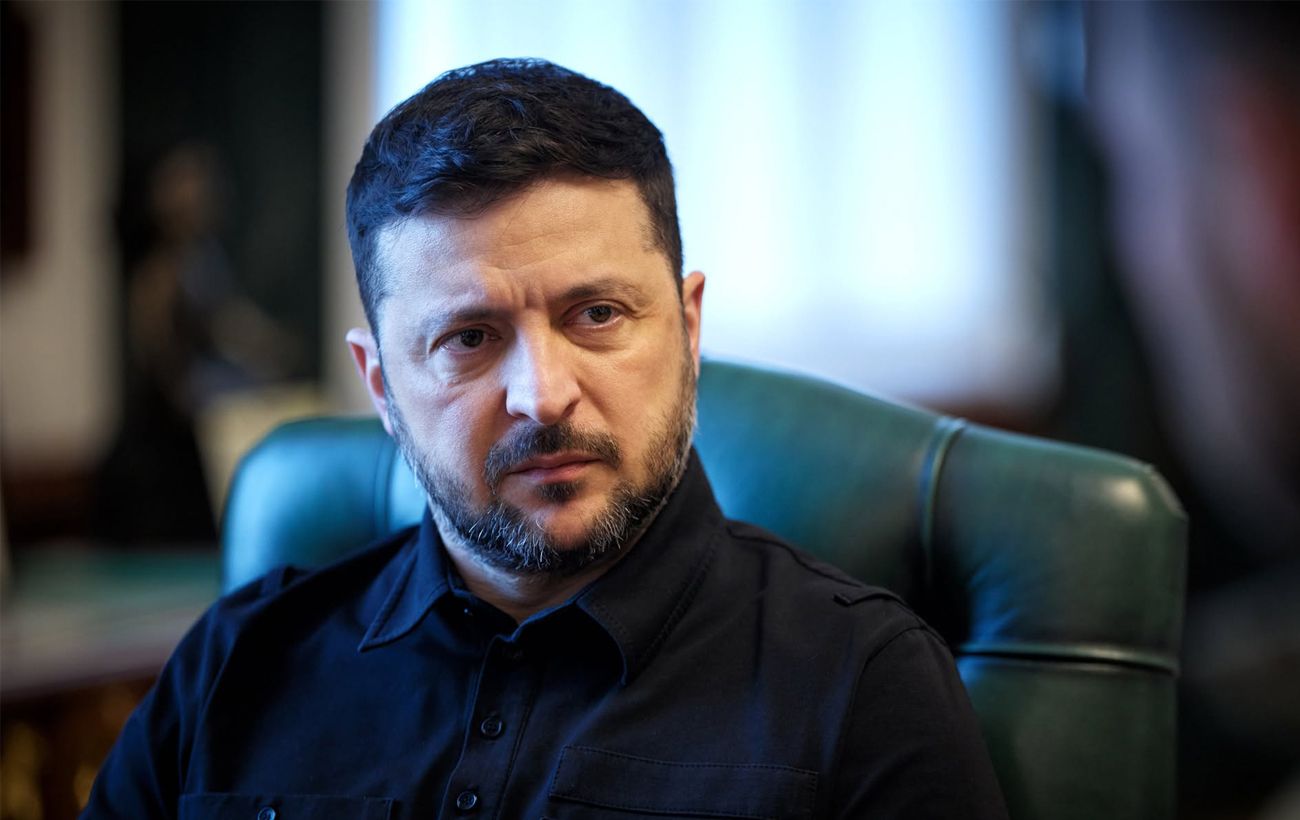
Zelenskyy says HUR reported on updated Russian strike plans and sets tasks for military
President Volodymyr Zelenskyy announced that Ukraine's military intelligence (HUR) has reported on updated Russian strike plans, and corresponding tasks have been assigne…
 💼Economy
Optimizing Family Budgets: How Banking Tools Help Save on Daily Expenses
Raiffeisen Bank has introduced debit card features designed to reduce daily financial costs through cashback and partner programs.